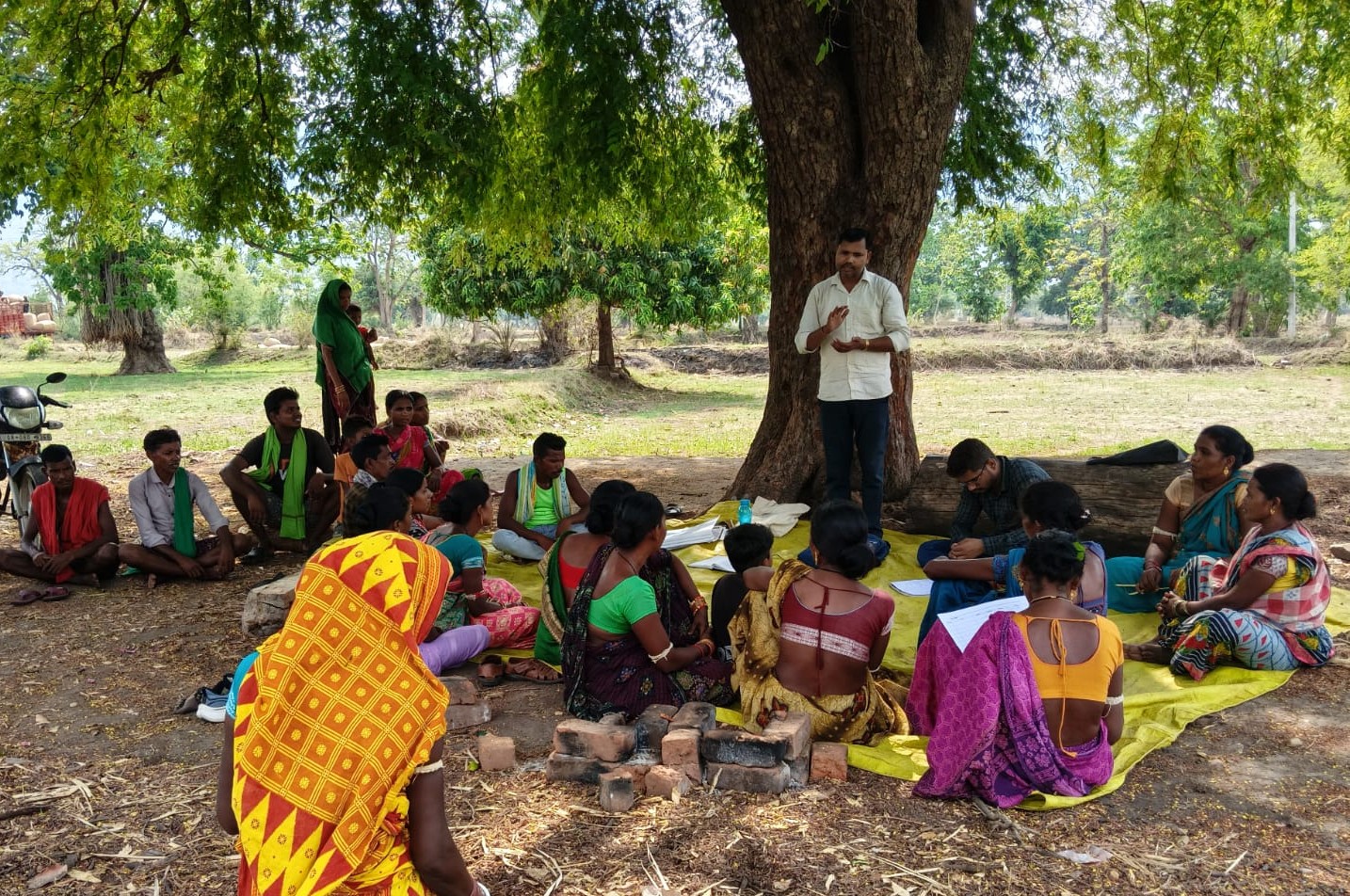
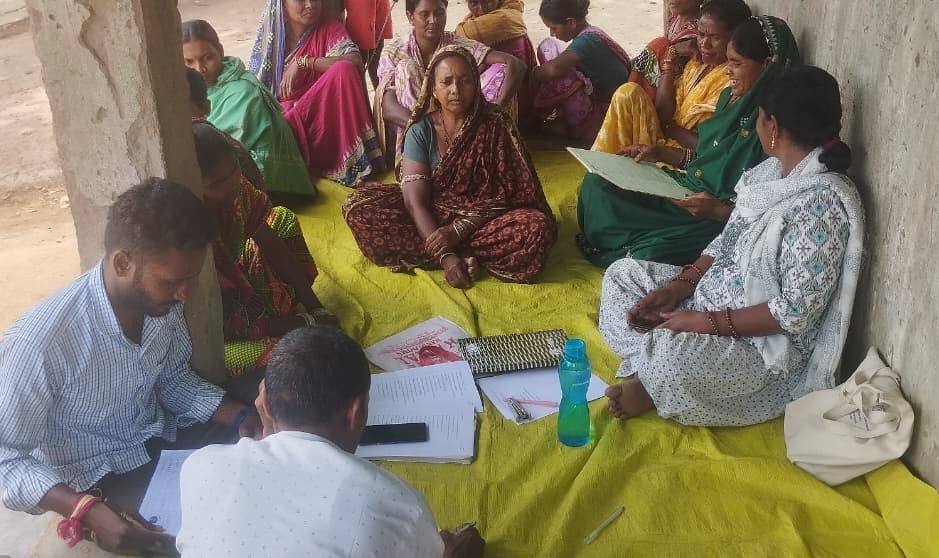
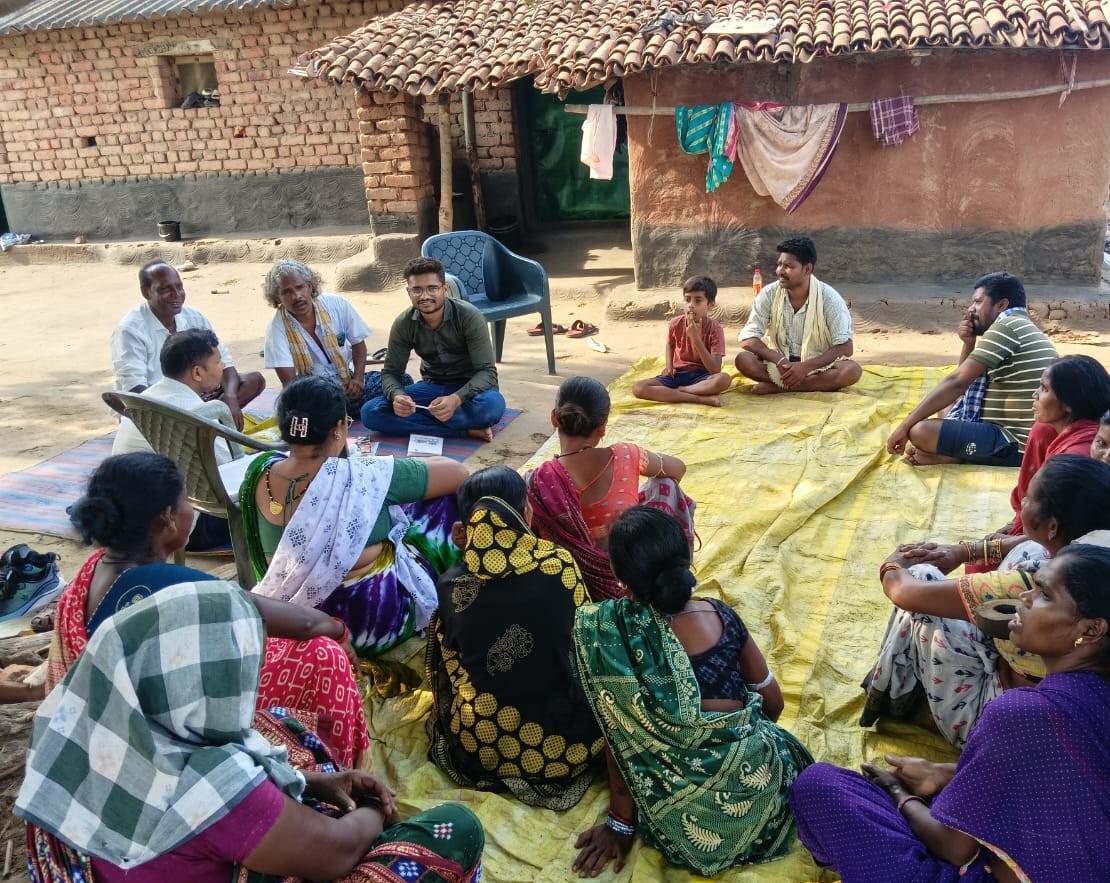
By practicing collective financial review and inclusive decision-making, Gram Sabhas are building a strong model of transparent, democratic, and community-led forest governance. In such meetings, villagers collectively review the Gram Sabha cashbook, passbook records, and expenditure details related to the trade of Non-Timber Forest Produce (NTFP) such as Bamboo and Tendu Leaves. The Gram Sabha-managed funds generated through collective NTFP trade are openly discussed and verified by community members to ensure accountability, transparency, and equitable utilization of resources. This participatory process allows villagers to monitor income, expenditures, and financial decisions taken on behalf of the community, reinforcing trust and collective ownership over forest-based livelihoods. By practicing transparent financial governance and collective decision-making, these Gram Sabhas are strengthening grassroots democracy while exercising their rights to manage, conserve, and sustainable benefits from their community forest resources.